How Long Does It Take To Fit A Kitchen?
A new kitchen is one of the biggest changes you can make to a home, shaping everything from everyday cooking and relaxed family meals to weekend hosting. However, your kitchen is used every day, often by the whole household, so knowing what to expect when fitting a new kitchen is really important.
The honest answer is: it depends. A small kitchen swap in an existing layout might be wrapped up in a fortnight, while a larger redesign with bespoke joinery, painted-to-order doors and structural changes can stretch over several months.
In this guide, we'll walk through each stage of the process so you know what to expect and where the time tends to go.
How Long Does It Take To Fit A New Kitchen?
For most UK homes, the full process from first measurement to a finished kitchen takes around six to ten weeks. That breaks down into a few weeks of planning and design, two to six weeks of manufacturing and delivery, and one to three weeks of physical installation.
The fitting itself, the part where your installer is actually on site, is usually shorter than people expect. A standard kitchen fit takes around one to two weeks, with another few days for snagging, finishing touches and any decorating. The bulk of the timeline sits in the earlier stages: making sure your design is right, your measurements are accurate, and your doors and units are made to the correct spec.
This is especially worth thinking about for a made-to-measure kitchen. Every door, drawer front and cabinet is cut precisely to your space, which means the planning stage is where you avoid the awkward gaps and mismatched units that often come with off-the-shelf options. Rushing this stage tends to cost time later on, while getting it right upfront can save weeks at the back end.
Stage 1: Design, Measuring and Quoting (1–4 Weeks)
The first stage is all about turning a rough idea into a finished plan. You'll usually start by gathering inspiration - saving photos, walking through showrooms, or browsing online to settle on a style and layout. From there, you can request a quote, refine the design with one of our team members, or book a free design consultation to talk through your space in detail.
Accurate measurements are essential at this point. Even small inaccuracies can lead to ill-fitting units, awkward gaps, or delays once delivery has occurred. Our step-by-step kitchen measuring guide walks you through the process clearly, and our team is always available if you'd prefer to talk it through.
How long this stage takes depends mostly on how decisive you are. Some homeowners settle on a style within a week; others want to compare finishes, samples and layouts over several weeks before committing. There's no rush - getting this part right is what makes everything that follows go smoothly.
Stage 2: Manufacturing and Delivery (2–6 Weeks)
Once your order is confirmed, your kitchen moves into manufacturing. Because every Lark & Lark's kitchen is made to your exact measurements, this stage accounts for most of the lead time.
Our typical delivery timelines are:
- Made-to-measure doors, drawer fronts, units and accessories: within 2–3 weeks
- Standard doors: within 2–3 weeks, or 3–6 weeks if painted to order
- Storage, handles and fittings: within 2–5 working days
If you've chosen a painted-to-order finish, build a little extra time into your plan, as these doors require additional finishing time before they're ready for delivery. We confirm your delivery date by phone or email roughly a week in advance, so you'll have plenty of warning before your kitchen arrives.
This stage is also a useful window for organising your fitter, arranging worktop templating and confirming appliance delivery dates. The more you can line up in advance, the smoother the move into the fitting stage will be.
Stage 3: Fitting Your Kitchen (1–3 Weeks)
This is the part most people picture when they think about fitting a kitchen. It usually begins with removing the old kitchen, which can take a day or two, depending on the layout and how much needs to be disconnected. After that comes the first-fix work - any plumbing, electrical, plastering or flooring that needs to be in place before the new units go in.
The cabinets are then assembled (if they're not arriving rigid), fitted to the walls, and levelled. Doors, drawer fronts and handles follow once the carcasses are secure, with worktops templated and installed once everything is in position. If you're handy with tools and have prior experience, you can read our guide on how to fit kitchen units and take on parts of the installation yourself. For most homeowners, though, a professional fitter is worth the investment for a sharp, well-aligned finish.
Plumbing and electrical second-fix work takes place towards the end of this stage, alongside tiling, splashbacks, and any final decoration. Allow a few extra days at the end for snagging - the small adjustments that catch a sticky drawer runner or a slightly out-of-line door before you sign off.
Is Replacing Kitchen Doors Quicker Than Fitting A Full Kitchen?
If a complete kitchen refurb feels like a big undertaking, replacing just the doors and drawer fronts is a much faster way to refresh the space. You keep your existing carcasses and simply swap the visible doors and handles for new ones, which means no strip-out, no first fix, and far less disruption.
Our made-to-measure replacement kitchen doors sit flush with your existing units for a clean, designer-style finish, and most homeowners can fit them over a weekend rather than committing to several weeks of work. It's a practical option if your current layout still works for you, but the doors are looking tired or outdated.
What Affects How Long It Takes To Fit A Kitchen?
A handful of practical factors can shorten or extend the timeline of any kitchen project:
- The size and layout of the room: Larger kitchens with more units, islands or bespoke joinery naturally take longer than a small galley refresh.
- The finish you choose: Standard and made-to-measure ranges arrive in 2–3 weeks, while painted-to-order options can take up to 6 weeks.
- Structural changes: Moving plumbing, removing a wall, or rewiring adds time and may require additional trades on site.
- Trade availability: Experienced fitters can book up well in advance, so it's worth checking availability early.
- DIY versus professional install: A DIY project gives you full control of the schedule, but it typically takes longer than a professional install.
- Preparation: Confirmed appliances, finalised handles and chosen worktops all help the fit run smoothly. Last-minute changes are the most common cause of delay.
If you're working to a strict deadline, such as a house move or Christmas hosting, start the design phase as early as possible. The biggest time savings always come from front-loading the planning, not rushing the build.
Plan Your New Kitchen With Lark & Larks
A well-planned kitchen project doesn't need to take over your life. With a clear timeline, accurate measurements, and a design you're confident in, most homeowners can be cooking in their new space within a couple of months of starting.
Whenever you're ready to make a start, browse our kitchen ranges to find a style that suits your home, download a free brochure for some inspiration, or contact our team for tailored advice. We'll happily talk through design, measurements and delivery so you have everything you need to move forward with confidence.
Frequently Asked Questions
Can I Still Use My Kitchen While It's Being Fitted?
For most kitchen installs, the room will be out of action for at least a week, sometimes longer. Water, gas and electrics typically need to be disconnected, and the space simply isn't safe or practical to cook in while units are being fitted and worktops templated.
Most homeowners set up a temporary kitchen elsewhere in the house - a kettle, microwave and slow cooker can go a long way in a utility room or dining area. Plan for stocking the freezer, easy meals, and a few nights of takeaway. It's only short-term, but a little forward thinking makes a big difference.
Should I Order My Kitchen Before Booking A Fitter?
We'd usually recommend doing both in parallel rather than one after the other. Experienced fitters often have less availability than expected, so it's worth getting a firm start date in the diary as soon as you have a clear design and an approximate delivery window.
Confirm your fitter's availability once you've placed your order with us, so they know when to expect everything on site. That way, your new kitchen isn't sitting in a garage waiting weeks for someone to start the work.
What's The Best Time Of Year To Fit A New Kitchen?
There's no single best month for a kitchen install, but timing it around your lifestyle can make the disruption easier to manage. Many homeowners aim to finish before Christmas, while others prefer the summer months, when alfresco eating and longer evenings make the temporary kitchen setup less of a chore.
Booking early is usually more important than picking the perfect season. Designers and fitters often have less availability during busier renovation periods, so giving yourself a longer planning window will always leave you with more flexibility on dates.
How Long Does It Take To Fit A Small Kitchen?
A compact kitchen with a straightforward layout and no structural changes can usually be fitted within four to six days, plus another day or two for finishing. Where the project is more involved, moving plumbing, replacing flooring, or adding an island, even a small kitchen can take a fortnight or more.
The room's size is only part of the picture. The number of appliances, the finish you've chosen, and whether you're using a professional fitter all play a bigger role in the overall timeline than square footage alone.
Can I Fit A Kitchen Myself To Save Time?
A DIY fit gives you full control over the schedule, but it rarely shortens the overall timeline. Professional fitters work to tighter day rates and have the tools and experience to align doors, level units and finish edges quickly.
For experienced DIYers, our fitting and design guides walk you through each step clearly. For everyone else, hiring a fitter usually means a sharper finish and less stress, even if the upfront cost is higher.
Feeling inspired?
Book your free, no obligation, design consultation with one of our experts.

5 Inspiring UK Kitchen Renovators to Follow in 2025
Thinking of updating your kitchen this year? Whether you're planning a full remodel or just want some fresh ideas, these five UK-based kitchen influencers are transforming homes one cabinet at a time. Follow their journeys for DIY inspiration, clever layouts, and plenty of design-savvy advice.
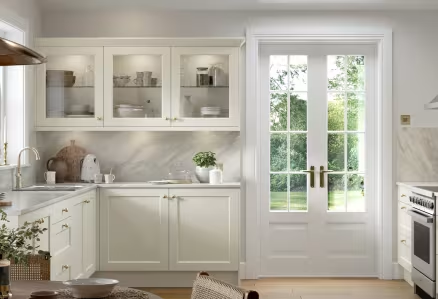
Why Off-White Kitchens Are the Timeless Choice for Modern British Homes
A new kitchen is one of the biggest changes you can make to a home, shaping everything from everyday cooking and relaxed family meals to weekend hosti...

How to Buy a DIY Kitchen from Lark & Larks (Without the Showroom Price Tag)
A new kitchen is one of the biggest changes you can make to a home, shaping everything from everyday cooking and relaxed family meals to weekend hosti...
Next Steps

Get Inspired

Quick Advice Session

Book a Free Design Consultation
Contact us
0330 135 9090 [email protected]Don't miss out on kitchen inspiration
Sign up for the latest trends, inspiration and DIY hacks delivered to your email inbox.
Products
Help
About us
Kitchens & Bedrooms by Colour