Kitchens Through the Decades
Kitchens in the 30s
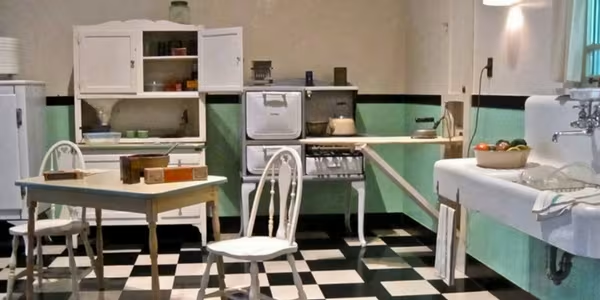
The epitome of the retro chic kitchen, the 30s was the era of linoleum checkered flooring, pastel coloured walls and small fridges. Though we are most definitely relieved that fridge sizes have increased over the years, we must admit there is something charming about the Thirties-styled kitchen. The timeless boxed furniture, the eye catching floors, the stylish french windows – it’s easy to see why so many people seek to imitate this style within their own kitchen.
Kitchens in the 40s
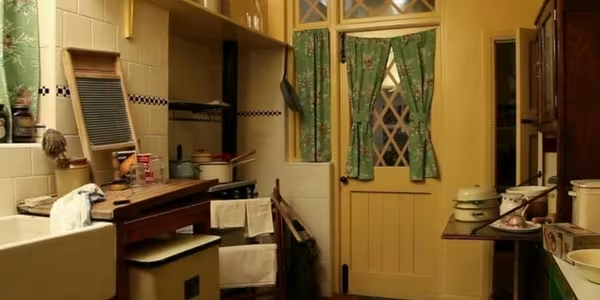
When it comes to vintage kitchens, perhaps nothing screams retro more than the 1940s styled kitchen. Patterns, patterns and more patterns are the key theme through this decade. From curtains and tablecloths to flooring – if there was a print, there was a way. Filled to the brim with cupboards and pull down drawers, the kitchens of the Forties were bustling and busy, and certainly visually striking.
Kitchens in the 50s
Continuing the pattern frenzy of the 40s, the kitchens of the 1950s were bright and vibrant with dazzling colours that lit up the home. Even the furnishings themselves became brighter and shinier as wooden cabinets were traded in for metallic steel. Bringing edge and shape to the room, Fifties kitchens were all about making a statement, and that’s something we can definitely relate to.

Kitchens in the 60s
If the 50s were all about bright colours, then the 1960s were all about extremity. Just like everything in the 60s, home decor was all about uniqueness and individuality. From orange flowered wallpaper to lime green walls, nothing about 60s kitchens was subtle. Complete with stainless steel appliances and minimalist furniture, the Sixties combined fun with practicality in the best way possible. Although we’re not too sure about that wallpaper, we can’t deny secretly loving the boldness of it all.
Kitchens in the 70s
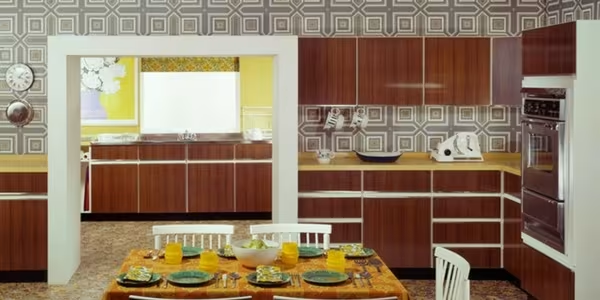
The anti-60s, the 1970s kitchen was the polar opposite of the bright rainbow filled kitchens of the previous decade. Earthy and neutral, out went the bright orange cabinets, and in their place were left dark-shaded cupboards and wooden worktops. Emitting a golden tone throughout the wall colourings, the Seventies embodied the spirit of the cosy kitchen which is still echoed throughout today’s home decor.

Kitchens in the 80s
Another striking contrast, the 1980s took the dark and woody undertones of the 70s and transformed them into white sparkling surfaces. Handleless wood-lined white cabinets become popular in kitchens up and down the country, while white tile and ivory countertops made their debut in the home. A huge turning point in home decor, the Eighties was the most subdued in terms of furnishings and colourings, paving the way for modern minimalism.
Kitchens in the 90s
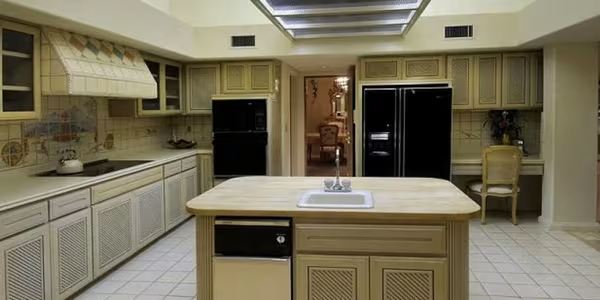
Continuing on from the 80s serenity, the 1990s carried on the white furnishing fad, with white counter tops and appliances alike. Peppered with country undertones and warm wooden drawers and cupboards, the nineties harmonised cosy with minimalism to create its iconic look. As the addition of kitchen islands to the home rose throughout the decade, the 90s became the era when the kitchen became less a place of domestic duty and more a social hub of the home.
Modern Day Kitchens
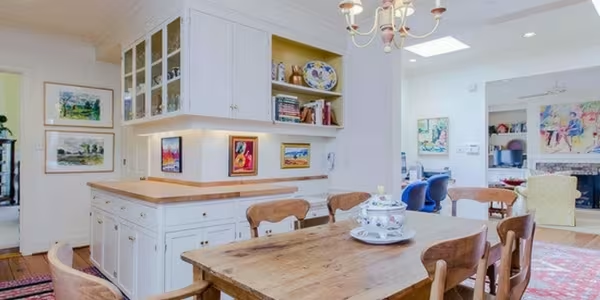
Chic, sleek and stylish; those are the three words that perhaps best sum up the contemporary-styled home. While each kitchen is unique within the modern era, it’s fair to say that when visualising the 21st century kitchen, smooth surfaces, sleek counters and minimalistic edges are perhaps the first images that spring to mind. The modern fitted kitchen is built on an idealism of clean edges and light open spaces, giving the home a fresh and bright atmospheric feel that we can’t help but love.
The kitchen is the room that is always moving forwards, both in design and in purpose. To ensure that your kitchen is always keeping on trend and evolving with the times, why not contact one of our friendly team; we’re always ready to help you out in anyway we can in helping you create your dream home.

Feeling inspired?
Book your free, no obligation, design consultation with one of our experts.

5 Inspiring UK Kitchen Renovators to Follow in 2025
Thinking of updating your kitchen this year? Whether you're planning a full remodel or just want some fresh ideas, these five UK-based kitchen influencers are transforming homes one cabinet at a time. Follow their journeys for DIY inspiration, clever layouts, and plenty of design-savvy advice.
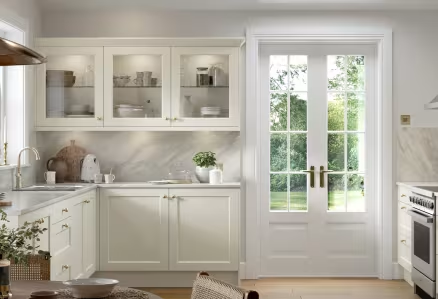
Why Off-White Kitchens Are the Timeless Choice for Modern British Homes
Society thrives on changing styles and fashion fads, and this is perhaps most notable within the home itself. Throughout history, from the time of the...

How to Buy a DIY Kitchen from Lark & Larks (Without the Showroom Price Tag)
Society thrives on changing styles and fashion fads, and this is perhaps most notable within the home itself. Throughout history, from the time of the...
Next Steps

Get Inspired

Quick Advice Session

Book a Free Design Consultation
Contact us
0330 135 9090 [email protected]Don't miss out on kitchen inspiration
Sign up for the latest trends, inspiration and DIY hacks delivered to your email inbox.
Products
Help
About us
Kitchens & Bedrooms by Colour